Lot Leveling in Houston, TX
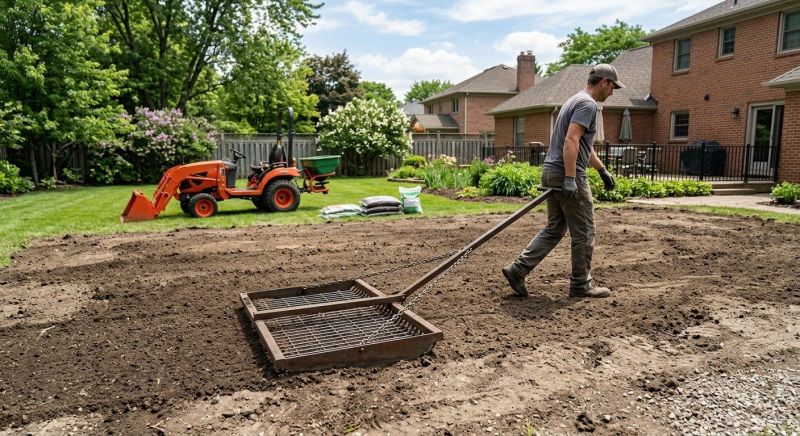
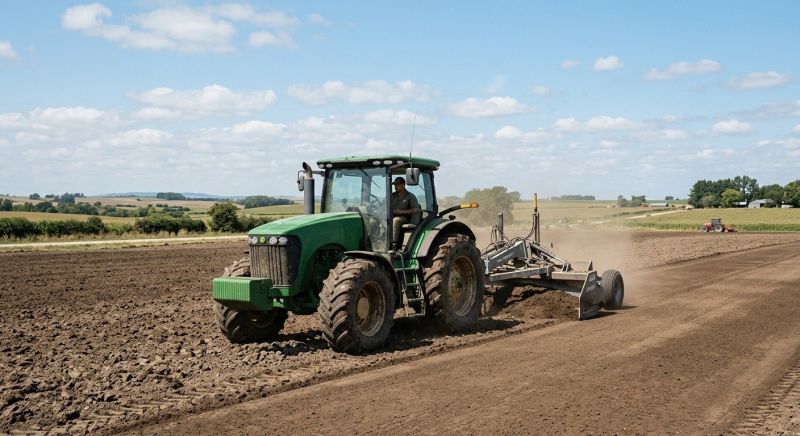
Lot leveling services involve adjusting the elevation of a property’s land to create a stable, even surface. This process is often used for residential lots, commercial sites, or land preparation before construction. Typical projects include correcting uneven terrain caused by settling, erosion, or previous grading issues, as well as preparing a site for building foundations, driveways, or landscaping. Property owners usually want to understand how the process can improve drainage, prevent water pooling, and provide a solid base for future development or landscaping projects.
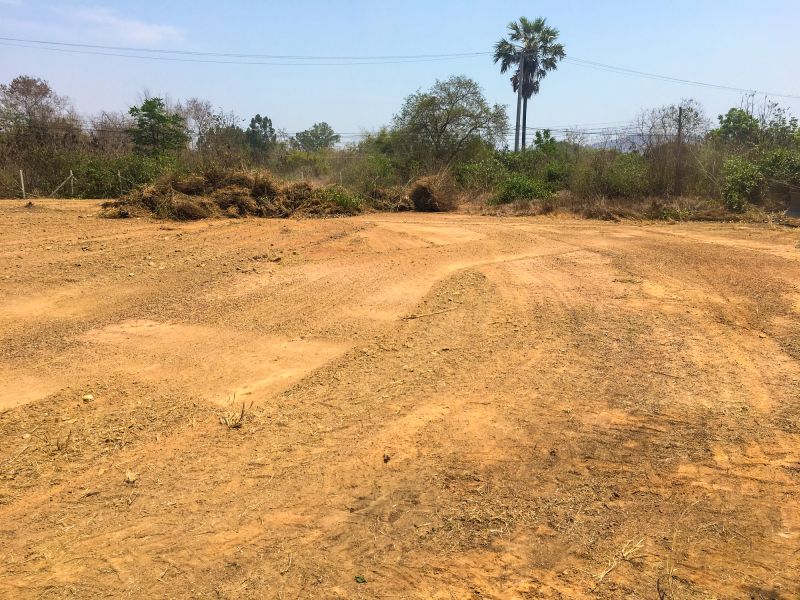
Before requesting lot leveling, property owners should consider the current condition of the land, including any existing slopes, drainage patterns, or potential obstacles. It’s helpful to know the size of the area that needs leveling and any specific goals for the land’s final shape. Understanding these details can help determine the best approach for achieving a level, stable surface that meets the property’s needs and supports long-term use.
Many property owners in Houston, TX look into Lot Leveling for repairs, replacements, upgrades, and appearance-related improvements.
Benefits Of Lot Leveling
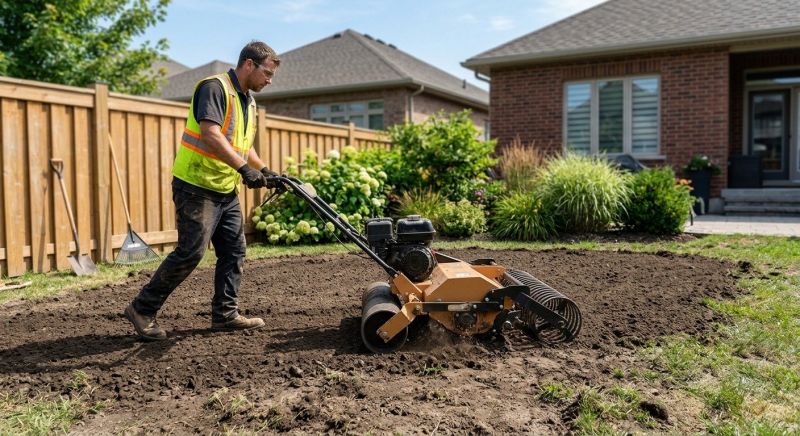
Proper lot leveling can improve drainage and prevent future foundation issues.
Common Lot Leveling Projects
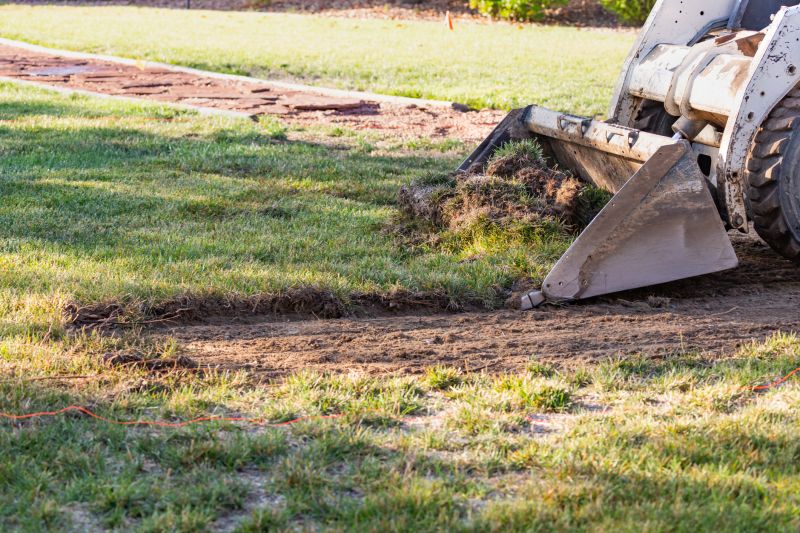
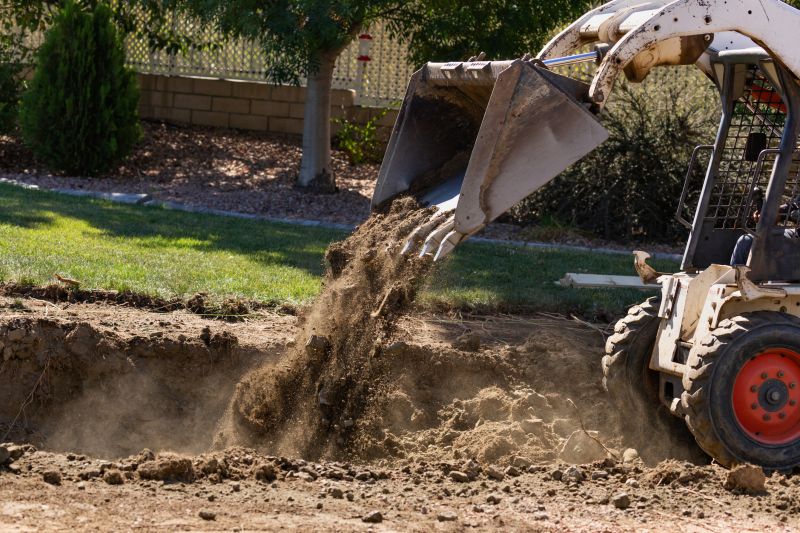
Services are often needed for new construction, landscape adjustments, or correcting uneven terrain.
Signs You Need Lot Leveling
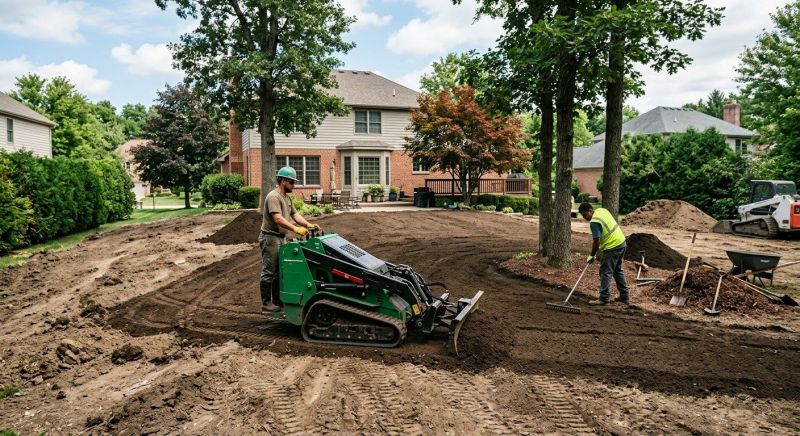
Noticeable uneven surfaces, standing water after rain, or cracks in structures may indicate the need for leveling.
Lot Leveling in Houston, TX

Lot leveling services involve adjusting the elevation of a property’s land to create a stable, even surface. This process is often used for residential lots, commercial sites, or land preparation before construction. Typical projects include correcting uneven terrain caused by settling, erosion, or previous grading issues, as well as preparing a site for building foundations, driveways, or landscaping. Property owners usually want to understand how the process can improve drainage, prevent water pooling, and provide a solid base for future development or landscaping projects.
Before requesting lot leveling, property owners should consider the current condition of the land, including any existing slopes, drainage patterns, or potential obstacles. It’s helpful to know the size of the area that needs leveling and any specific goals for the land’s final shape. Understanding these details can help determine the best approach for achieving a level, stable surface that meets the property’s needs and supports long-term use.
Many property owners in Houston, TX look into Lot Leveling for repairs, replacements, upgrades, and appearance-related improvements.
Common Lot Leveling Jobs
Lot Leveling - ensures the property’s foundation is even to prevent drainage issues and structural problems.
Driveway Leveling - corrects uneven surfaces to improve safety and accessibility around the home.
Garden and Yard Leveling - creates a stable base for landscaping and planting projects.
Foundation Leveling - addresses uneven slabs or settling to maintain the integrity of the structure.
Concrete Leveling - raises and stabilizes sunken or cracked concrete slabs for a smooth surface.
Property Grading - improves water runoff and prevents pooling by adjusting the land’s slope.
Lot Leveling Questions
What is lot leveling? Lot leveling involves adjusting the terrain to create a stable, even surface for construction or landscaping projects.
When should property owners consider lot leveling? It is typically needed when the land has uneven areas, drainage issues, or before building foundations.
What types of projects benefit from lot leveling? Projects such as new construction, driveway installation, landscape redesign, and foundation repair often require lot leveling.
How does lot leveling improve property value? Properly leveled land enhances safety, usability, and appearance, contributing to increased property appeal.
Request Lot Leveling in Houston, TX
Use the quote form on this page to share the basics of your project and request more information for the type of work you need.